
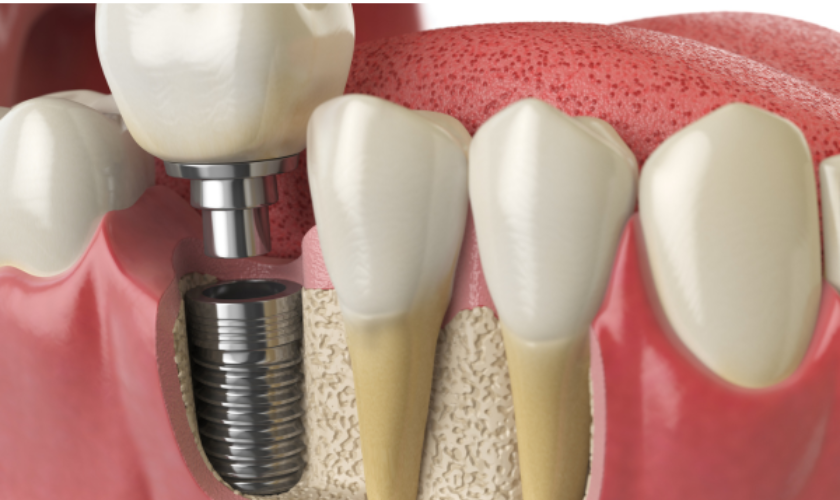
Dental implant success is no longer defined by materials alone. While the implant itself matters, long-term results depend heavily on how precisely it is planned, placed, and supported. Modern technology allows dentists to see more, measure better, and plan each step before treatment ever begins. This approach reduces uncertainty and improves predictability for patients seeking reliable outcomes.
At Soho Smile, technology plays a central role in every implant decision. From early diagnostics to guided placement, each phase is designed to support accuracy and long-term stability. This level of planning helps minimize surprises, protect surrounding structures, and support natural-looking results.
For patients in and around Soho, where busy schedules and active lifestyles are common, this precision matters. Advanced planning helps reduce downtime and supports smoother healing. It also gives patients clarity, allowing them to understand what is happening and why before treatment begins. After the first phase of evaluation, technology becomes the backbone of every step that follows.
Why Technology Matters in Modern Dental Implant Care
Traditional implant methods relied heavily on visual judgment and manual measurements. While effective in many cases, these approaches left room for variability. Today’s advanced tools dramatically reduce that uncertainty by allowing dentists to plan treatment in a controlled digital environment before any procedure begins.
Technology improves safety by identifying critical structures such as nerves and sinus spaces early. It enhances comfort by supporting more conservative techniques that limit unnecessary tissue disruption. Most importantly, it improves predictability. Implant placement can be planned with precision, reducing the likelihood of complications or adjustments later.
For patients balancing work, family, and community life near places, predictability matters. Fewer surprises often mean fewer appointments and a smoother recovery. When dental implants are planned with advanced technology, the process becomes more efficient and easier to manage. The result is a treatment experience that feels thoughtful, measured, and aligned with long-term oral health goals rather than rushed decisions.
Digital Diagnostics That Shape Implant Planning
3D Imaging and Advanced Scans
Modern imaging provides a complete view of the jaw structure in three dimensions. These scans allow dentists to assess bone quality, thickness, and volume with exceptional accuracy. They also help identify nerve pathways and spacing between teeth, reducing risks during placement.
Instead of relying on estimates, planning becomes data-driven. This level of detail is especially valuable when bone conditions vary, which is common among adult patients. With clear imaging, implant placement can be adjusted before treatment begins rather than during surgery.
Digital Smile and Bite Analysis
Technology also evaluates how teeth come together when you bite and chew. Digital bite analysis helps ensure implants align properly with surrounding teeth. Aesthetic planning tools further evaluate how the final restoration will look in your smile.
This approach helps create results that feel natural and function comfortably. It also reduces stress on the implant over time, supporting durability and balance.
Computer-Guided Implant Placement for Accuracy
What Guided Implant Surgery Means
Computer-guided implant surgery uses customized guides created during digital planning. These guides control the angle, depth, and position of the implant during placement. This eliminates guesswork and ensures the plan is followed precisely.
The guide acts as a roadmap, keeping placement consistent with the original digital plan. This precision is especially helpful in complex cases or areas with limited space.
How Precision Improves Healing and Longevity
Accurate placement reduces trauma to the surrounding bone and tissue. Smaller adjustments mean less swelling and faster recovery for many patients. Proper positioning also supports stable integration, helping implants function well over time.
Precision planning allows dental implants in Soho to blend seamlessly into the natural bite, reducing uneven forces that can affect longevity.
Technology-Driven Bone and Tissue Assessment
Not every patient presents with the same bone or gum conditions. Technology helps assess whether the jawbone is ready to support an implant and how soft tissue may respond. Digital tools measure bone density and identify areas that may require preparation before placement.
This evaluation supports informed decisions rather than assumptions. It also allows treatment plans to adapt to individual anatomy. For patients in the Soho area who value clear expectations, this level of assessment provides reassurance.
By understanding tissue conditions early, the dental team can reduce unexpected delays and support smoother treatment progression.
Custom Implant Design and Material Planning
Tailored Implant Positioning
Digital planning determines the ideal size, depth, and angle for each implant. This customization supports stability and comfort while protecting surrounding structures. Implant placement is designed around the patient’s anatomy rather than forcing a standard approach.
Material Selection for Strength and Stability
Material planning focuses on biocompatibility and durability. The goal is long-term support without overwhelming patients with technical details. Carefully selected materials integrate with bone and support everyday function.
This thoughtful approach ensures dental implants in Soho remain reliable under daily chewing forces while maintaining comfort and appearance.
Minimally Invasive Techniques Supported by Technology
Precise planning allows for smaller incisions and more conservative techniques. When placement is planned digitally, less tissue disruption is required during surgery. This often results in reduced discomfort and quicker healing.
Technology enables dentists to work efficiently without unnecessary exposure or adjustments. For patients juggling work schedules or family commitments nearby, this efficiency can make treatment easier to manage.
Minimally invasive methods also support better tissue preservation, which contributes to long-term stability and appearance.
Technology’s Role in Long-Term Implant Success
Technology does not stop after placement. Follow-up imaging helps monitor healing and integration over time. Digital records allow dentists to compare progress and address concerns early if changes appear.
Ongoing monitoring supports maintenance and durability. This proactive approach helps dental implants remain functional and comfortable for years. For patients who value consistency and preventive care, technology provides an added layer of confidence.
What Patients Experience During a Technology-Guided Implant Process
The process begins with a detailed consultation and digital evaluation. Imaging and planning tools are used to create a clear roadmap. Patients review the plan and understand each step before moving forward.
During placement, guided tools help ensure accuracy. Recovery is monitored using follow-up imaging to confirm progress. Throughout the process, technology supports clarity, comfort, and communication.
Patients benefit from fewer surprises and a more structured experience. This approach aligns well with patients seeking reliable care close to home.
Advanced technology transforms implant care into a precise, thoughtful process. By planning every step digitally, outcomes become more predictable and easier to manage. Patients gain confidence knowing their treatment is guided by data, not estimates.
For those considering dental implants, this precision supports natural-looking results and long-term comfort. Technology helps align treatment with individual needs, supporting both function and aesthetics.
If you are exploring implant options and value clarity, accuracy, and careful planning, scheduling a consultation with us can help you understand how technology shapes your care and supports lasting results.
FAQs
Why does a technology-driven approach matter for patients?
It supports accuracy, comfort, and reliability, helping patients feel secure in their care.
Can technology improve confidence in treatment decisions?
Clear data and visual planning help patients feel informed and confident.
How does technology support long-term maintenance?
Digital records and imaging help monitor changes and guide ongoing care decisions.
Does advanced planning reduce complications?
Careful evaluation and guided placement help minimize avoidable issues.
Is technology used throughout the entire process?
Yes, from initial evaluation through follow-up care, technology supports each phase.